Dubai Community Events vs Nightlife: Newcomer Social Guide
Compare Dubai community events with commercial nightlife districts. Learn residential hosting rules, transit card requirements, photography policies, and family living options.
How Does Social Life in Dubai Split Between Residential Communities and Nightlife Hubs?
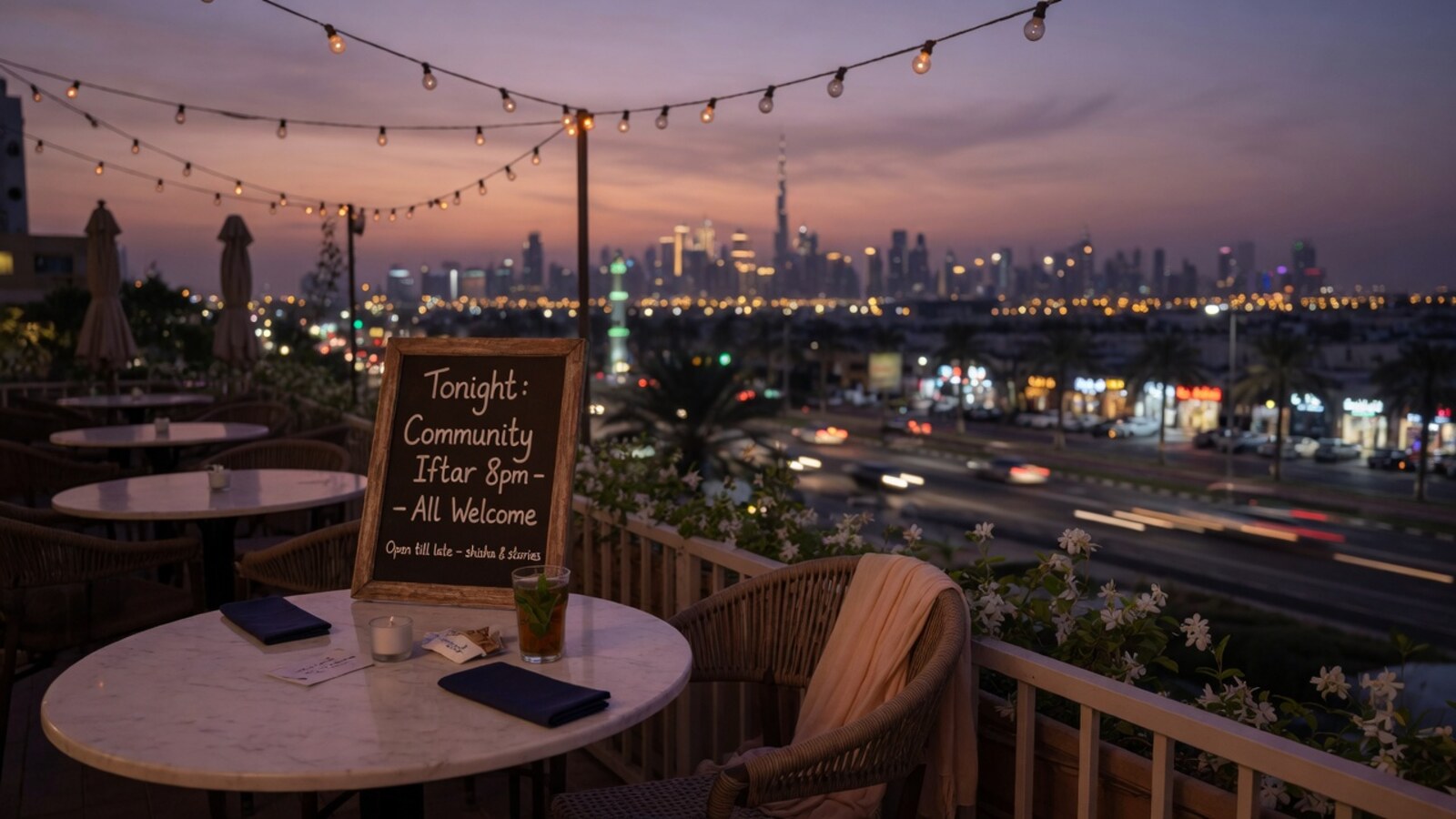
Social life in Dubai splits between quiet daytime events in residential developments and licensed evening entertainment across commercial waterfront hubs. On a typical Friday, you might join neighbors for an outdoor market in a gated cluster or take transit to a commercial lounge. In practice, understanding how community events vs nightlife dubai operate helps newcomers plan weekends without unexpected friction.
Residential communities offer daytime gatherings, pop-up fitness sessions, and family markets inside housing clusters. Meanwhile, commercial nightlife hubs feature evening dining, live music, and lounges operating under dedicated hospitality permits. People often choose between these options based on whether they prefer informal neighborhood interaction or structured nightlife.
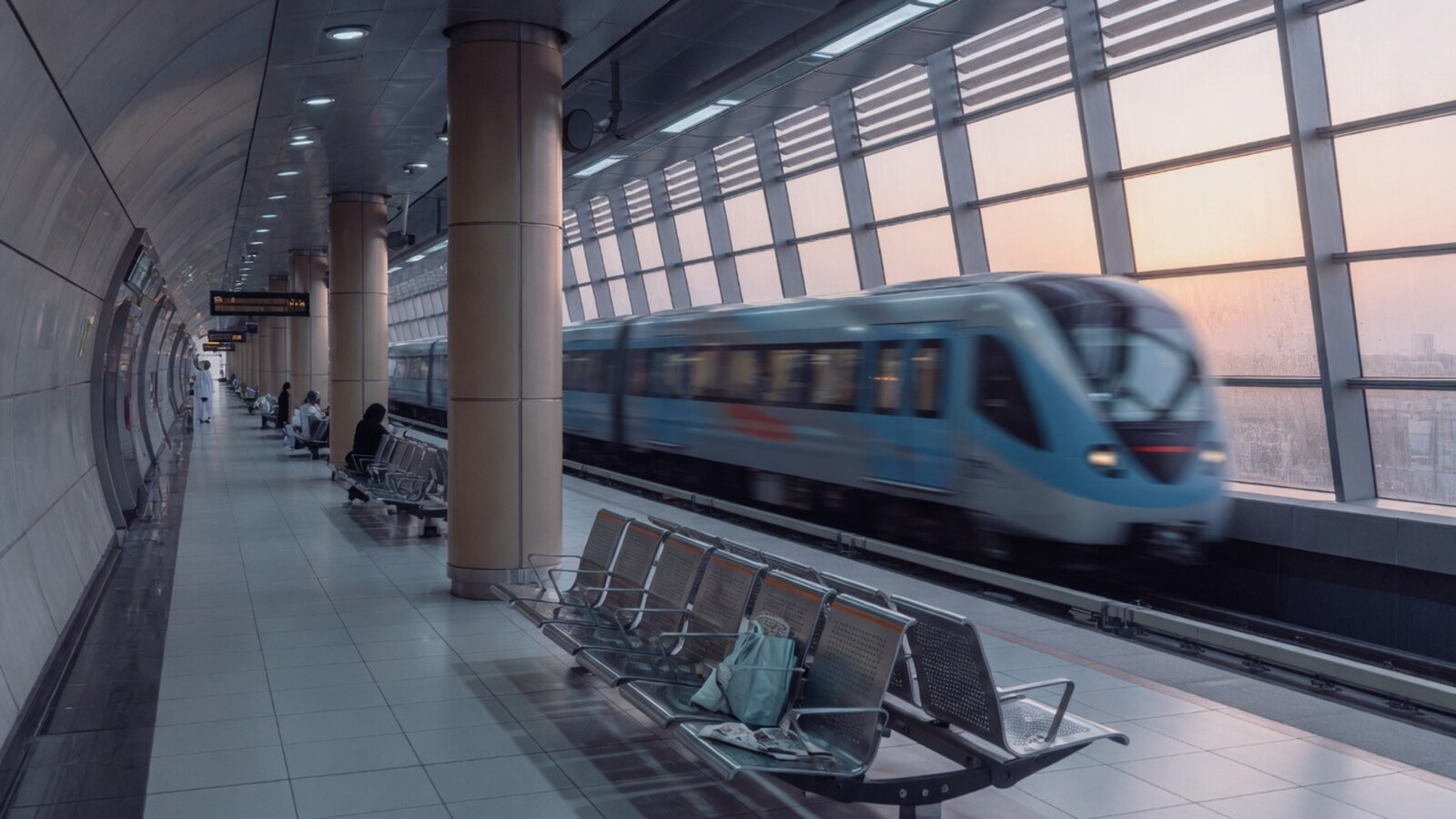
Getting between residential neighborhoods and nightlife districts on public transport requires individual ticketing. Every check-in and check-out on Dubai's RTA network requires a separate card per person.
Sharing one nol card between two travelers is prohibited and leads to fines. A temporary Red Ticket costs AED 2 without registration, while a standard Silver card costs AED 25 for regular commuters. If you plan social outings around holiday periods, read our guide on public holiday planning in the UAE or organize quiet weekends with our desert trip planning guide.
What Are the Real Rules for Hosting Gatherings and Parties at Home?
Entertaining friends at home in Dubai is governed by strict residential building regulations covering balcony use and late-night noise levels. While hosting dinner inside your apartment is common, developers and municipal authorities enforce specific boundaries to protect neighbors.
Building management teams in Dubai enforce strict balcony restrictions across residential developments. Major property developer Nakheel issued community notices in areas like Palm Jumeirah, Jumeirah Village, and Al Furjan. These notices warned that throwing cigarette ash or butts from balconies poses a severe fire hazard and leads to fines.
Furthermore, RERA community guidelines classify balcony barbecuing and shisha use as fire hazards in high-rise and low-rise buildings, with fines up to AED 2,000. Municipal misuse categories also penalize balcony smoking and barbecuing with fines from AED 500 to 1,500. Developers like Emaar issue independent financial penalties for similar violations.
Using shisha on an apartment balcony brings a fine rather than being a permitted activity. In practice, to avoid financial penalties, residents smoke shisha indoors if their lease permits it or visit licensed commercial lounges.
Understanding building rules and municipal complaint channels helps newcomers enjoy both residential events and evening venues responsibly.
When apartment gatherings generate late-night noise, residents do not need to rely solely on building security. Under Dubai Municipality Local Order No. 61 of 1991 (Noise Fighting Regulations), checked as operational in July 2026, any resident can lodge a complaint directly with the municipal control room. A Noise Control Officer can inspect the property to stop the noise and request police assistance if necessary.
You can submit noise reports via the toll-free number 800900, the municipal app, or by calling the Dubai Police non-emergency line 901. If the issue involves a building management company that fails to resolve common property problems, RERA requires a written notice to the management company first.
How Do Photography and Pet Policies Differ at Events and Outings?
Public photography is governed by media commission guidelines, while pet policies depend strictly on individual building rules. Newcomers often ask about taking photos during community events or bringing pets to neighborhood outings. In practice, local regulations distinguish between personal photography and commercial filming, while property contracts control animal access.
Dubai's Film and TV Commission (DFTC) confirms in official guidelines, checked in July 2026, that a filming permit is not required for personal photography or casual video taken during public events, weddings, or street scenes. Personal equipment such as tripods, gimbals, or 360-degree cameras does not trigger a permit requirement. The permit obligation applies strictly to media production, broadcast content, or photography intended for commercial platforms and advertising. This personal-use exemption applies within the emirate of Dubai, while other emirates maintain separate media permitting frameworks.
For pet owners attending outdoor community events, building rules decide what animals are allowed. No UAE-wide or Dubai government regulation sets a legal size or weight limit for dogs in residential apartments. Instead, individual building bylaws, Master Community Declarations, or tenancy contracts determine whether large dogs are permitted.
Pet bans are private civil matters rather than criminal offenses. Community enforcement is limited to warnings, fines, or civil lease actions under Dubai Law No. 26 of 2007 as amended by Law No. 33 of 2008.
When neighborhood dogs cause ongoing noise or sanitation issues, an escalation path exists under Dubai Law No. (6) of 2019 Concerning Ownership of Jointly Owned Real Property, Article 6(b). Disturbed residents or landlords can file an initial complaint with the building Owners Committee. If the nuisance continues, the committee or affected neighbors can escalate the matter to Dubai Police or Dubai Municipality for formal investigation.
How Do Families Select Communities Balancing Event Access and School Proximity?
Families select Dubai communities by balancing daily commute times to private schools with access to neighborhood amenities. When choosing between quiet residential areas and busy nightlife districts, parents often prioritize school access and family mental wellbeing. Because every school open to expatriate children in Dubai is private, admission is not restricted by geographical catchment areas.
Proximity to top schools is a matter of daily convenience rather than legal enrollment eligibility. Popular family communities that sit near well-regarded private schools include:
- Al Barsha: Nearby options include Harrow School Dubai, Dubai Schools Al Barsha, SISD, NAS Dubai, and Brighton College Dubai.
- Arabian Ranches: Home or close to JESS, GEMS Metropole MC, Jebel Ali School, and Safa Community School.
- Al Furjan: Serviced by Arbor School, Arcadia Global School, Sunmarke School, and Dubai British School Jumeirah Park.
- DAMAC Hills: Located near Jebel Ali School, GEMS Metropole MC, Dwight School Dubai, and South View School.
- City of Arabia and Dubailand: Convenient for Victory Heights Primary School, GEMS Winchester School, and Dunecrest American School.
Settling into a new city alongside work, family life, and social plans can feel overwhelming. Official health channels provide mental wellbeing support across Dubai without private insurance cover.
Dubai Health, the Community Development Authority, and the Dubai Health Authority jointly operate a free mental wellbeing hotline called Itma'en, checked in July 2026. Residents can call 800506 daily from 9am to midnight to speak with trained counselors in English or Arabic without an Emirates ID or insurance card. For low-cost in-person consultations, public facilities like Al Amal Hospital charge approximately AED 100 to 300 for an initial visit with an Emirates ID, compared to AED 600 and higher at private clinics.
Frequently Asked Questions About Dubai Community Life and Social Outings
Newcomers often have quick questions about neighborhood events and evening entertainment. Here are direct answers to common queries regarding local transit, balcony rules, and noise regulations.

Author
Expat Pocket Editorial
Editor