UAE Apartment Building Etiquette: Resolution vs Escalation
Learn how to navigate noise, balcony rules, and shared living in Dubai towers. Discover when to talk informally, alert security, or log municipal reports.
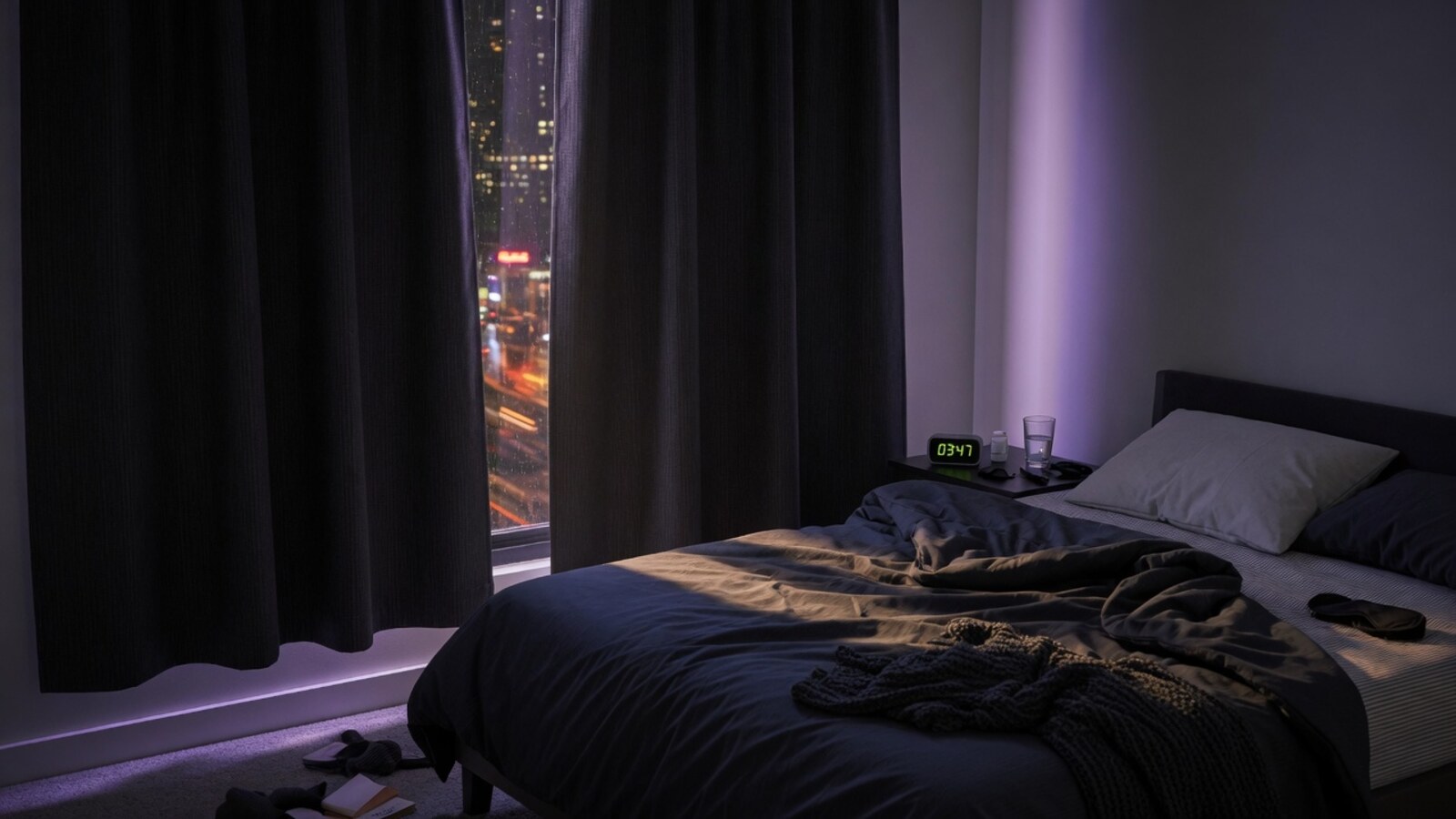
A footsteps-heavy midnight workout on the ceiling or a cloud of shisha smoke floating into your open window can test anyone's patience in a Dubai high-rise. In practice, living peacefully in densely packed UAE apartment towers requires knowing how to navigate daily friction without triggering unnecessary conflict or legal escalation.
Tenants facing building friction generally have three distinct pathways: handling the matter through direct informal communication, escalating to building security and facilities management, or pursuing formal statutory recourse through municipal and police channels. Deciding which route to take depends on the nature of the issue, the legal risks involved, and how quickly you need a resolution.
Option 1: Direct Informal Resolution for Daily Living Friction
Direct communication is often the fastest way to solve minor friction in residential towers. Whether addressing late-night television volume or coordinating shared internet arrangements, talking to your neighbour directly avoids administrative delays.
In Dubai, residents report that there is no fixed clock-time quiet hours law for ordinary residential noise like music, footsteps, or social gatherings. Instead, Local Order No. 61 of 1991 establishes a reasonableness standard, meaning noise that unreasonably interferes with a neighbour's peace or comfort can technically be reported at any hour. For minor one-off disturbances, a polite message or brief chat on the floor usually resolves the problem faster than calling security.
Direct conversation is also ideal for resolving balcony habits before they trigger financial penalties. Residents report that using shisha or barbecuing on apartment balconies is classified as a significant fire hazard under RERA-distributed community guidelines, carrying potential fines of up to AED 2,000. Separate residential guidelines list smoking and barbecuing on balconies as misuse under Dubai Municipality rules, subject to fines between AED 500 and AED 1,500 alongside developer penalties. If a neighbour's shisha smoke enters your flat, informing them informally gives them a chance to move indoors or visit a licensed venue before building management gets involved.
Informal coordination extends inside your unit as well, particularly when setting up home connectivity or managing shared living costs. For internet access, residents report mixed experiences with plug-and-play services like Virgin Mobile home internet, which operates on du's 4G/5G mobile network. While some users report stable connections with high data usage, others experience intermittent drop-outs depending on signal strength at their specific building and floor height.
Single routers typically cover studios or one-bedroom flats well, but two-bedroom units often require mesh add-ons. If you are relocating existing home internet from du or e&, official procedures allow you to transfer your account via the du app (under the Relocation page) or the e& UAE app (under Home Move), scheduling a technician visit to avoid contract cancellation fees. If you are managing a shared flat layout, our guide on roommate furniture without chaos covers shared space organization in detail.
Option 2: Building Security and Facilities Management Escalation
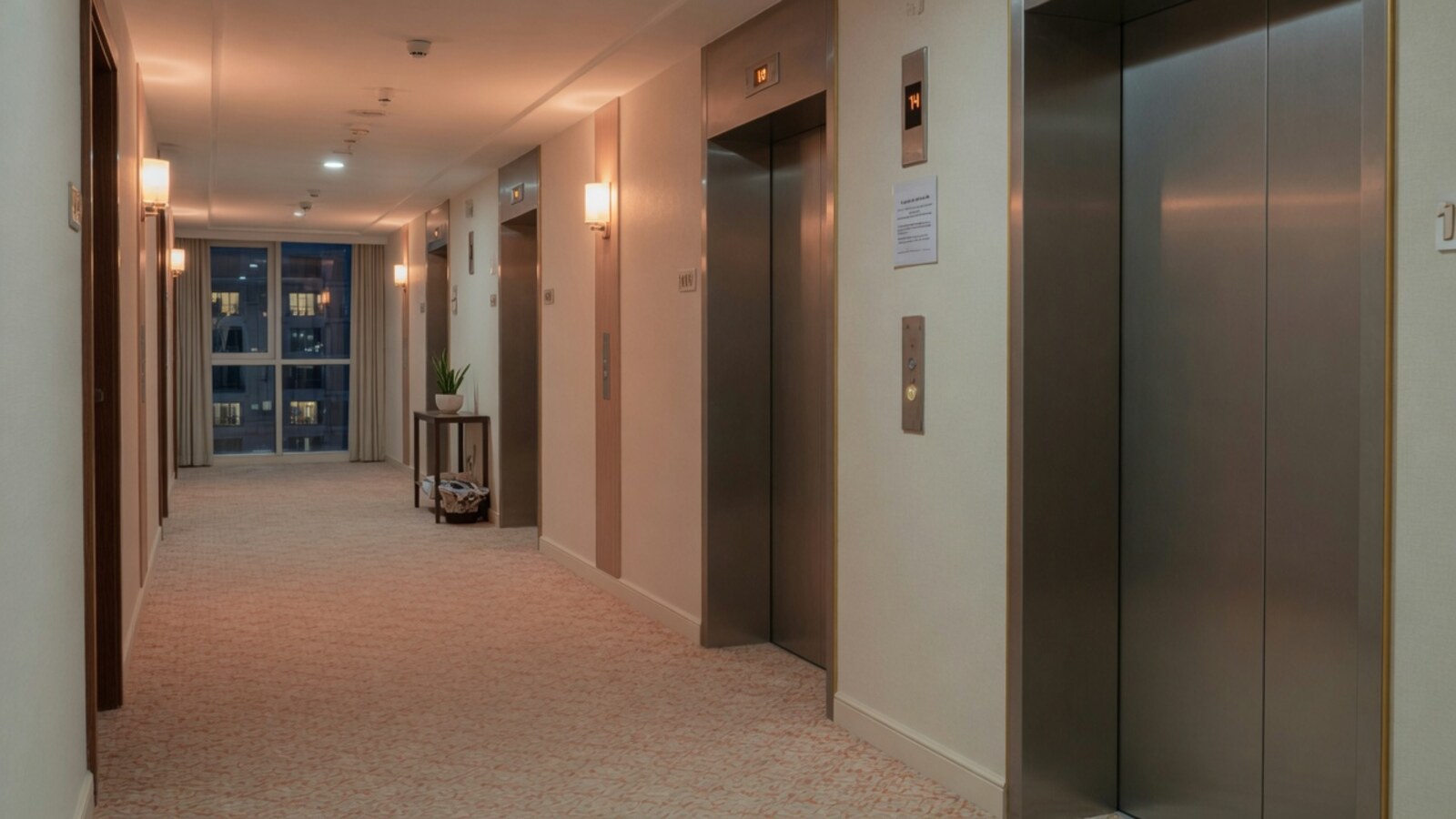
When direct conversations fail or when personal confrontation feels uncomfortable, building security and facilities management provide an effective middle ground. Concierge teams and tower security guards can enforce community rules anonymously, reminding residents of noise boundaries or balcony restrictions without creating personal animosity between neighbours on the same floor.
Escalating through building management is particularly critical when dealing with privacy violations or filming disputes in common areas. Official UAE social responsibility guidance explicitly instructs residents and visitors not to photograph people without their permission. Under Federal Decree Law No. 34 of 2021 on Combatting Rumours and Cybercrimes (in force since 2 January 2022), photographing individuals without consent or publishing their image online constitutes a criminal invasion of privacy and defamation.
Filming a noisy neighbour in the lobby or posting hallway footage to community chat groups can expose you to severe legal liability. In practice, leaving surveillance and rule enforcement to official tower security keeps your actions strictly compliant with privacy laws.
Option 3: Official Legal and Municipal Recourse
For severe, persistent, or statutory violations, formal recourse through Dubai Municipality or Dubai Police becomes necessary. Unlike everyday neighbour noise, construction noise is bound by specific statutory hours: the Dubai Municipality app restricts construction noise to between 8pm and 6am on weekdays, and between 8pm and 7am on weekends. Unsanctioned overnight construction can be reported directly through the municipal app for swift enforcement.
Statutory recourse also applies to occupancy limits and shared housing arrangements. Dubai Law No. (4) of 2026 on shared housing regulates residential units occupied by unrelated individuals. The law requires shared occupancy units to hold a formal permit from Dubai Municipality, issued strictly through the owner or a licensed operator.
Dubai Municipality sets maximum occupant limits and minimum square-footage requirements per resident. Operating or living in an unlicensed shared apartment that exceeds Ejari registration terms carries severe penalties: fines ranging from AED 500 up to AED 500,000 (which double up to AED 1,000,000 for repeat violations within a year), along with potential permit cancellation or eviction.
Regarding roommate composition, UAE Penal Code reforms under Federal Decree-Law No. 31 of 2021 (Article 409, effective 2 January 2022) decriminalised unmarried mixed-gender adults sharing an apartment. However, practical compliance depends entirely on property law: tenants must secure written landlord consent before sharing or subletting a flat, and all co-tenants should be registered together on Ejari. If noise or overcrowding disputes escalate to authorities, official Ejari documentation determines legal residency status.
When setting up or transferring an apartment, official utility connections must also be properly registered. DEWA requires a refundable security deposit of AED 2,000 for residential flats (AED 4,000 for villas). Supply activation charges for a standard small-meter connection include AED 125 for electricity and water connection, plus AED 10 registration fee, AED 10 knowledge fee, and AED 10 innovation fee (or AED 300 for large-meter connections).
UAE nationals holding a Thukher or Sanad card receive a 50% discount on activation charges. In practice, official utility fee schedules and municipal laws are checked periodically, so verify current figures directly on official portals when planning your move. For a step-by-step breakdown of managing building disputes, read our noise complaints calm process guide.
Trade-Off Comparison: Choosing the Right Path for Your Tower Dispute
Each approach carries specific trade-offs regarding speed, privacy, and long-term neighbour relations. Understanding apartment etiquette UAE principles means selecting the right tool for the specific problem rather than over-escalating minor issues or under-reacting to legal breaches.
Who Should Pick Which Approach in UAE Apartment Towers?
Selecting the appropriate resolution path depends on your tenancy structure, the severity of the issue, and the time of year. Matching your strategy to the specific problem prevents minor misunderstandings from escalating into formal legal disputes.
Pick Option 1 (Direct Informal Approach) if:
- You are dealing with minor, occasional noise disturbances during daytime hours.
- You need to coordinate floor etiquette, such as shared hallway space or temporary move-in access.
- You are adjusting to seasonal observances. During Ramadan, general modesty standards apply and are taken more seriously in public and shared building areas. Residents report no separate Ramadan noise law, but public conduct rules banning noise disruption are enforced with extra sensitivity. A friendly reminder to keep private music volume low during fasting hours maintains harmony without needing management intervention.
Pick Option 2 (Building Security & Management) if:
- Balcony misuse, such as burning shisha or barbecuing, continues after an informal reminder. Security guards can inspect the balcony from ground level and issue official tower notices.
- A neighbour engages in repeated late-night noise, and direct contact has failed or feels unsafe.
- Common area disputes arise regarding parking spaces, pool etiquette, or unauthorized photography in shared facilities.
Pick Option 3 (Official Legal & Municipal Recourse) if:
- Construction noise occurs outside permitted municipal hours (past 8pm on weekdays or weekends).
- You suspect an adjacent unit is operating as an unlicensed, overcrowded shared housing operation violating Dubai Law No. (4) of 2026.
- Someone publishes unauthorized photographs or videos of you without consent, breaching UAE Cybercrime laws.

Author
Expat Pocket Editorial
Editor