Living in Dubai vs Tourist Areas: Residential Relocation Guide
Compare photogenic tourist spots against practical Dubai residential areas with our step-by-step guide to legal tenancy, quiet hours, and school runs.
When you step off the plane into the main concourse of Dubai International Airport, the immediate visual impression is shaped by polished glass towers, soaring atrium displays, and immaculate commercial centers. Many newcomers begin their transition in short-term hotel apartments situated directly inside high-profile entertainment districts. However, establishing a permanent home requires looking beyond postcard scenery to evaluate how everyday infrastructure functions for long-term living.
Week 1: Evaluating Initial Arrival Areas Beyond Postcard Scenery
Evaluating your arrival area during week one requires looking beyond postcard scenery to understand public photography rules and daily infrastructure. Upon arrival at Dubai International (DXB) or Al Maktoum International (DWC), people often take casual personal snapshots in public landside terminal areas. These photos are common and tolerated by airport operators.
However, official government rules explicitly mandate that photographing aircraft and plane-spotting is illegal in the UAE. The law also prohibits photographing military installations or government facilities. Furthermore, official regulations state that any organised filming or photography shoot requires advance written permission from Dubai Airports and Dubai Police.
The step newcomers miss is checking airside photography rules beyond security checkpoints. Doing so requires an Airport Security Pass and a location permit from the Dubai Film and TV Commission (as checked on official portals in July 2026).
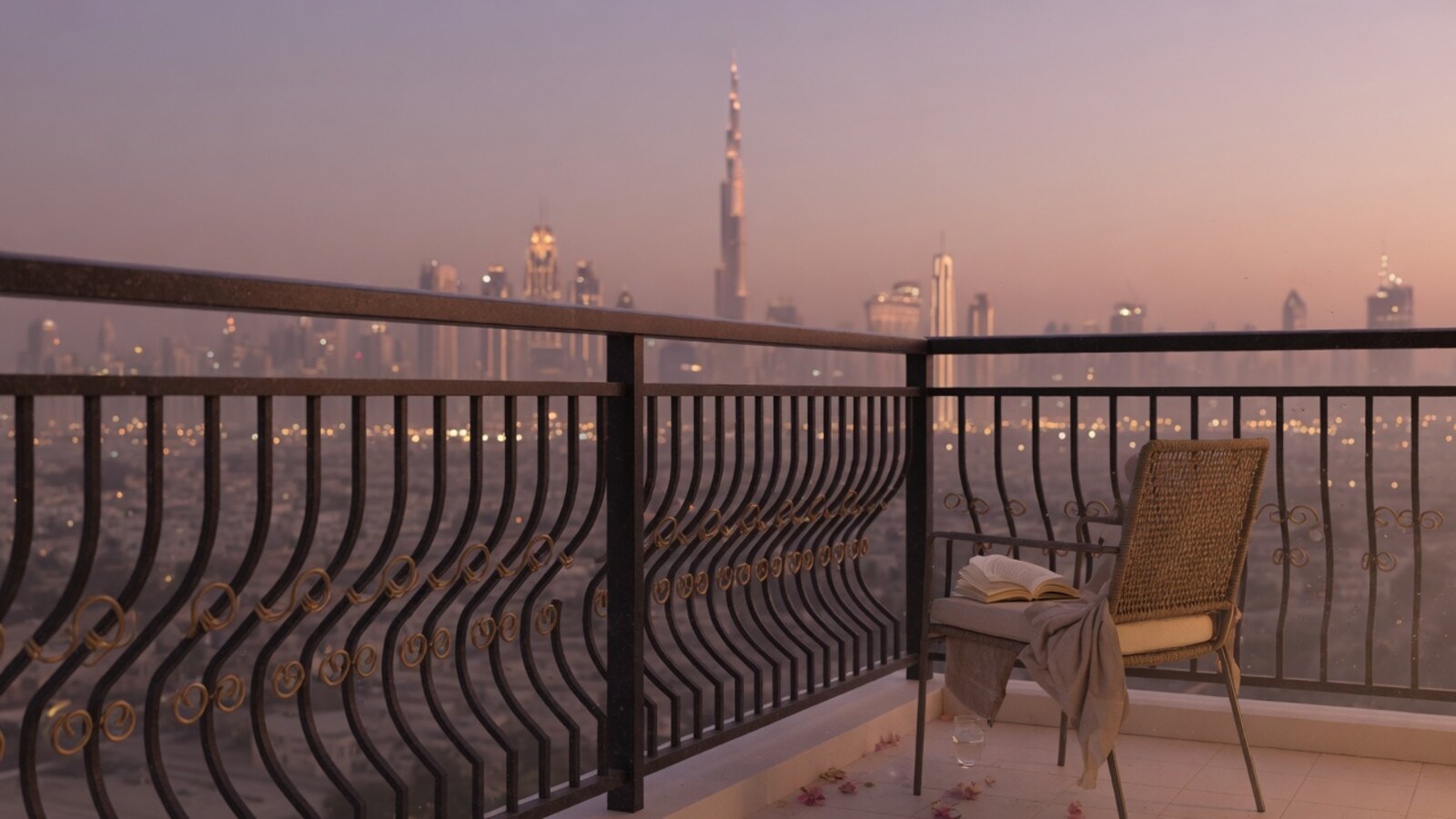
Evaluating a city during your initial days requires distinguishing photogenic backdrops from daily functional convenience. Comparing dubai residential vs tourist areas highlights how drastically daily routines differ between entertainment hubs and settled neighborhoods.
Tourist districts deliver immediate access to waterfront promenades and landmark attractions. However, they frequently introduce higher daily congestion, elevated valet queues, and longer walks to basic services. In practice, spending your first week in temporary accommodation gives you time to inspect local supermarkets, measure parking access, and review temporary housing options before locking yourself into a long-term lease.
Weeks 2 to 3: Testing Daily Commutes and Quiet Residential Infrastructure
Testing daily commutes and quiet residential infrastructure during weeks two and three helps you measure actual travel times and building noise levels. Residents report that high-turnover holiday apartments in tourist hot spots often bring late-night corridor noise, tour bus idling, and evening traffic bottlenecks. In practice, conducting a commute test before signing a lease during peak morning and evening hours is essential for understanding your true schedule.
Noise management inside apartment buildings follows established municipal guidelines. Residents report that Dubai regulations (specifically Local Order No. 61 of 1991) define noise broadly as anything that unreasonably interferes with a person's peace, comfort, or convenience from a residential premises.
If late-night noise persists in building hallways or neighboring units, residents report that complaints can be filed by calling the Dubai Municipality hotline 800900 or the Dubai Police non-emergency line 901. Officers evaluate whether the disturbance is excessive and request the responsible party to stop. They manage initial occurrences as civil nuisance matters rather than criminal cases unless safety risks exist. The step newcomers miss is reviewing our detailed guide on handling noise complaints in Dubai for step-by-step reporting advice.
Family logistics also depend heavily on neighborhood selection. Because every school open to expat children in Dubai is private and none operate with residential catchment boundaries, you can technically reside anywhere in the emirate and enroll your children. However, residents report that living close to major education hubs saves hours of weekly driving.
Neighborhoods frequently cited by residents for convenient school access include:
- Al Barsha, located near Harrow School Dubai, Dubai Schools Al Barsha, Swiss International Scientific School Dubai (SISD), NAS Dubai, and Brighton College Dubai.
- Arabian Ranches, offering direct proximity to JESS, GEMS Metropole MC, Jebel Ali School, and Safa Community School.
- Al Furjan, situated close to Arbor School, Arcadia Global School, Sunmarke School, and Dubai British School Jumeirah Park.
- DAMAC Hills, positioned near Jebel Ali School, GEMS Metropole MC, Dwight School Dubai, and South View School.
- City of Arabia within Dubailand, giving access to Victory Heights Primary School, GEMS Winchester School, and Dunecrest American School.
Weeks 4 to 5: Navigating Mandatory Lease Registration and Employment Status
Navigating lease registration and employment status during weeks four and five requires completing formal Ejari procedures and securing proper visa documentation. Dubai Land Department requires property owners and primary tenants to register all co-occupants living in the residential unit through the Ejari system on the Dubai REST mobile application.
Official guidance under Article 19 of Dubai Law No. 26 of 2007 states that tenants must not change property usage or exceed agreed occupant limits. In practice, while brief visits by guests or relatives do not usually require formal landlord consent, permanent co-occupancy requires registration.
Residents report that the Ejari co-occupant registration process is primarily structured around Emirates ID verification. However, if a family member or partner is residing in the UAE on a visit visa or tourist visa without an Emirates ID or UAE residence visa, residents report that they can be registered using their valid passport number. Logging a partner on a passport number records their physical presence in the Dubai REST system, but it does not grant, extend, or alter their underlying immigration status.
Employment compliance requires strict adherence to visa categories. Performing paid or unpaid work while holding a tourist visa or visit visa is strictly prohibited under UAE law, exposing both the individual and the employing entity to legal liability and financial fines. Individuals conducting a dedicated employment search should use the official Jobseeker Visit Visa, which is designed for unstructured job hunting with validity options of 60, 90, or 120 days.
Health insurance compliance is equally binding across all Dubai commercial zones. Under Law No. (11) of 2013 Concerning Health Insurance in the Emirate of Dubai, all employers in Dubai, including companies established within free zones like the Dubai International Financial Centre (DIFC), are legally required to provide compliant health insurance coverage for their employees on the same terms as onshore entities.
Long-Term Settlement: Managing School Enrollment, Family Visas, and Seasonal Cycles
Managing long-term settlement in Dubai involves adapting to seasonal business patterns and keeping family administrative milestones on track. During Ramadan, public rhythm across the emirate adapts smoothly.
Official government guidance confirms that supermarkets, grocery stores, shopping malls, cultural sites, and tourist destinations remain open throughout the day. While some standalone cafes adjust daytime hours, many restaurants in malls and hotels screen off dining spaces to serve non-fasting patrons during daylight hours. Full dining service resumes at sunset for iftar and continues into late hours for suhoor.
Educational admissions require ongoing attention if relocating mid-year. Residents report that top-rated schools and popular curricula often operate near full capacity, particularly in early primary groups from FS1 to Year 3.
However, because Dubai schools handle admissions on a rolling basis, spots open up throughout the academic year as international relocations occur. The step newcomers miss is staying on admissions waitlists and maintaining direct contact with registrar offices to secure mid-year placement.
For families bringing a newborn back to Dubai who does not yet possess a residence visa, official regulations require requesting an entry permit before traveling. Under GDRFA Dubai family sponsorship rules, an entry permit is issued prior to arrival, allowing the infant to enter the UAE legally and providing a 60-day window from entry to complete all required residency paperwork, medical documentation, photo uploads, and attested certificates inside the country.
In practice, understanding the distinction between living in dubai vs tourist areas allows new residents to build a stable, law-compliant lifestyle grounded in daily convenience rather than temporary vacation appeal.

Author
Expat Pocket Editorial
Editor