UAE Summer Heat Survival: Strategy Guide for Expats
Compare three practical approaches to enduring peak UAE summer months, from seasonal travel and indoor habit redesign to early morning daily schedules.
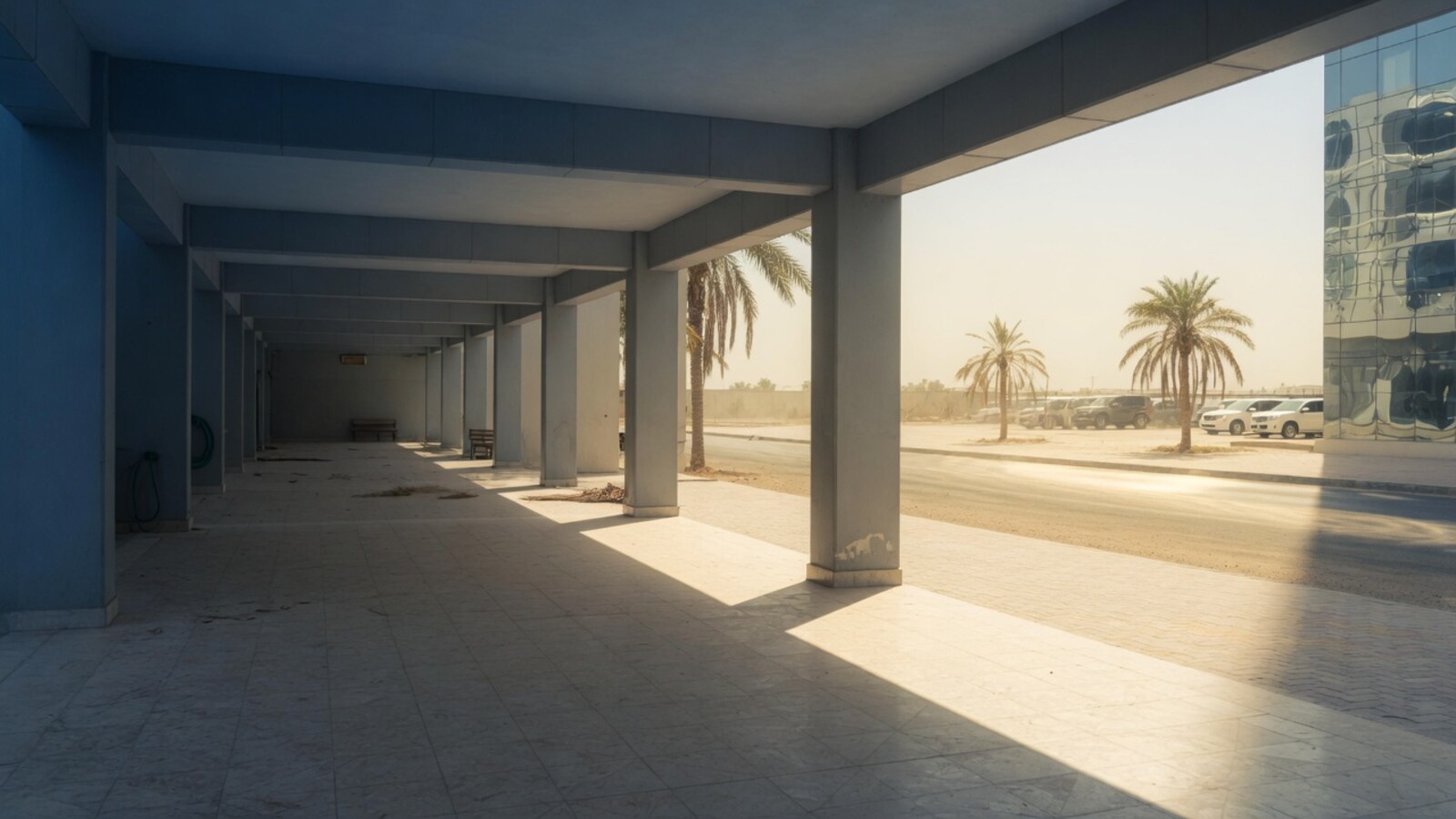
Walking out of an air-conditioned terminal or apartment building in mid-July feels like stepping into a hot oven. Humidity is thick, metal outdoor surfaces heat quickly to the touch, and short sidewalk walks turn uncomfortable within minutes.
For new expatriates, getting through the peak summer months takes more than turning up home air conditioning. Long-term residents adapt by building set daily routines, changing indoor habits, and picking a heat management strategy that fits their work and family schedules. Managing UAE summer heat comes down to three options: leaving seasonally, shifting to night hours, or fully redesigning your indoor routine.
Option One: The Seasonal Exit and Remote Travel Strategy
The most direct way to handle summer heat is spending the hottest weeks outside the country. Expatriate families often align annual leave or remote work with official school breaks to travel to cooler climates.
For Dubai private schools operating on the September-to-June track, the Ministry of Education sets specific vacation windows. The academic year concludes on 2 July 2027. The main summer break runs before the new cycle opens after 31 August 2026. For families planning mid-year travel, the official calendar also includes a first-semester mid-term break from 12 to 18 October 2026, a winter break from 14 December 2026 to 3 January 2027, and a spring break from 5 to 11 April 2027.
Schools on the April-to-March calendar, such as Indian, Pakistani, or Japanese curriculum institutions, set separate KHDA-approved break schedules that feature summer leave across July and August. Leaving the UAE removes heat exposure, but the trade-offs include significant travel expenses, dual-housing costs, and potential disruption to work continuity.
Option Two: The Pre-Dawn and Late-Night Schedule Shift
For expatriates staying in the UAE throughout the summer, altering the timing of outdoor activity offers a practical compromise. Rather than remaining indoors constantly, residents shift outdoor exercise, pet walking, and grocery runs to early morning hours or late evening windows.
During pre-dawn hours, ground temperatures drop and ambient humidity becomes more manageable. Staying active during these shoulder hours allows residents to keep outdoor habits without exposing themselves to peak afternoon sunlight.
Working hours during certain periods of the year offer additional flexibility for managing daily energy. Under Article 17 of Federal Decree-Law No. 33 of 2021 on the Regulation of Labour Relations, private-sector employees in the UAE work a baseline of 8 hours a day or 48 hours a week. During Ramadan, official regulations reduce daily working hours by 2 hours every day for all private-sector staff, regardless of religious background and without salary reduction.
Shifting to a nocturnal schedule preserves outdoor movement, but it requires strict sleep discipline. The primary trade-offs are social isolation from colleagues operating on standard daylight schedules and limited exposure to natural light.
Option Three: The Complete Indoor Habit Redesign
The third approach relies on building a self-contained indoor lifestyle across the summer months. Residents who choose this model focus on optimizing home air conditioning, using indoor sports complexes, and holding social activities inside climate-controlled venues.
Indoor habit design requires careful attention to domestic air quality and pet management. For expatriates living with pets, indoor confinement during summer requires maintaining proper health documentation. Federal regulations from the Ministry of Climate Change and Environment dictate that all imported cats, regardless of whether they live exclusively indoors, must maintain full rabies vaccinations with the first dose administered no earlier than 12 weeks of age. Requirements also include vaccination against feline panleukopenia, feline rhinotracheitis, and feline calicivirus, along with microchipping and health certification.
Indoor public etiquette also changes during summer when residents spend more time in commercial spaces. Under federal tobacco control laws, vaping e-cigarettes is prohibited inside enclosed public spaces such as shopping malls and dining venues. Those wishing to vape must step outdoors or use designated smoking zones.
Surviving a Gulf summer is less about enduring extreme weather and more about mastering an indoor ecosystem and timing your daily movements.
Spending extended hours inside apartment buildings can lead to noise friction between neighbors. In Dubai, contacting building security or concierge staff is the customary first step for resolving noise complaints. If informal escalation fails, residents can contact Dubai Police on non-emergency line 901 or submit an official complaint to Dubai Municipality under Local Order No. 61 of 1991 via the 800900 contact center.
Comparing the Three Heat Survival Approaches
Choosing the right heat management strategy depends on your financial flexibility, family situation, and daily work obligations. Each option balances physical comfort against lifestyle trade-offs.
If you decide to stay in the UAE during the summer while seeking weekend changes of scenery, consider exploring regional options. Read our guide on Fujairah weekend escapes for coastal drives, or explore Umm Al Quwain's quiet days for relaxed domestic trips. For residents coordinating annual leave around statutory holidays, consult our overview of public holiday planning in the UAE.
Decision Matrix: Which Heat Management Model Fits Your Life?
Determining which strategy to adopt comes down to your household structure and financial planning:
- Pick Option One (Seasonal Exit) if you have school-age children enrolled in institutions with long summer breaks, employer flexibility for remote work, and sufficient budget for international travel.
- Pick Option Two (Schedule Shift) if you are a fitness enthusiast or outdoor worker who wants to maintain physical routines without paying for seasonal travel.
- Pick Option Three (Indoor Redesign) if you work year-round in an office or hybrid setting, prefer consistent domestic routines, and want to keep travel expenditures low.
Financial stability matters when establishing your lifestyle in the UAE. New expatriate residents seeking banking support to manage seasonal expenses or initial setup costs should note standard lender criteria. Underwriting guidelines for personal loans typically require a minimum fixed monthly salary of AED 5,000 and a minimum age of 21, alongside an approved employer listing and salary transfer into a dedicated account.
Selecting the approach that aligns with your work obligations and personal preferences helps you get through the summer months while maintaining your wellbeing and budget.

Author
Expat Pocket Editorial
Editor